
19/08/2026
If you have ever tried to arrange rubbish removal at the last minute, you already know how...
Waste Disposal Hackney provides a reliable, ethical and efficient clearance service for homes and flats across the borough. From compact studio flats in Dalston to large Victorian terraces in Clapton and converted warehouses in Hackney Wick, we handle waste disposal and flat clearance of all sizes with a strong focus on recycling and responsible reuse.
Our team covers the whole of Hackney, including Hackney Central, Homerton, Stoke Newington, London Fields, Hoxton and surrounding areas. Whether you live in a council flat on the Kingsmead Estate, a period terrace off Mare Street, or a modern apartment near Hackney Downs, we offer tailored waste disposal solutions that fit your property type and access restrictions.
We work carefully in shared hallways, stairwells and communal entrances, which are common in Hackney mansion blocks and converted Victorian houses. Our crew removes items with minimal disruption to neighbours, managing parking and loading around busy streets like Lower Clapton Road, Amhurst Road and Graham Road.
Flat clearance in Hackney can be challenging due to narrow staircases, top-floor walk-ups and limited parking. Our team is experienced in working in high-density housing, from tower blocks in Homerton to converted flats in De Beauvoir and terraced streets near London Fields.
We clear all types of flats and apartments, including studio flats, maisonettes, council properties, ex-local authority blocks, new-build developments and older converted buildings. We plan each clearance around lift access, stairwells and loading areas to keep the process efficient and respectful of residents.
Every property is different, so we offer both full and partial clearance services throughout Hackney. A full clearance is ideal if a flat, house or storage area needs to be emptied completely, such as before sale, letting or renovation. We remove furniture, white goods, general rubbish, clothing, books, kitchen contents and non-hazardous waste.
Partial clearances are perfect when you only need specific rooms or items removed. This suits tenants in rented flats in areas like Clapton and Hoxton who must clear unwanted furniture before moving, or homeowners in terraced streets near Victoria Park who are decluttering a loft, cellar or garden outbuilding. We can focus on single rooms, such as living rooms, bedrooms, basements or balconies, or on categories of items like old furniture, electronics or bagged rubbish.
We understand that probate clearances often follow difficult circumstances. Our probate clearance service in Hackney is designed to be sensitive, organised and discreet, whether it is a flat off Well Street, a terraced house in Stoke Newington, or a ground-floor garden flat near Clapton Pond.
We can work with family members, executors, solicitors and estate agents to plan the clearance, ensuring key items are set aside according to your instructions. We sort reusable furniture, ornaments, books and clothing separately for donation or reuse where possible, and we can provide a staged clearance if you prefer to go through certain rooms first. Our aim is to make the process as straightforward and respectful as possible.
Hackney has a strong culture of sustainability, and our waste disposal service reflects that. We prioritise recycling and reuse of furniture and household items wherever possible. Sofas, tables, wardrobes, beds, shelving and other items collected from flats and houses in areas like London Fields, Haggerston and Shacklewell are assessed for their condition.
Items in good condition are separated for reuse, while damaged pieces are broken down so that materials such as wood, metal, textiles and plastics can enter the appropriate recycling streams. This approach reduces the amount of waste sent to landfill and supports a circular economy within Hackney.
Many items removed during a flat clearance, especially from larger Victorian terraces and family homes, can be given a second life. We maintain relationships with a range of donation partners, including charities and local community projects in and around Hackney. When we collect furniture, electrical items that can be tested, books, toys and household goods in good condition, we set them aside for donation.
This donation-first approach is particularly useful during probate clearances or when long-term residents are downsizing from larger properties in places like Stoke Newington Church Street, Victoria Park Village or Dalston. It helps ensure that belongings are not simply thrown away but instead benefit local people and organisations.
Ethical disposal is at the heart of our waste management in Hackney. We are committed to disposing of all waste responsibly, in line with current regulations and best practice for environmental protection. This includes sorting and segregating different waste types, working with licensed facilities and taking extra care with materials that require specialist treatment.
We minimise landfill use, aim for high recycling rates and support reuse through donations and second-hand routes. From small clearances in one-bedroom flats near Dalston Junction to complete house clearances in terraces off Kingsland Road and Homerton High Street, we treat every job with the same commitment to ethical and legal waste disposal.
The mix of housing in Hackney is diverse, from 1960s estates and modern developments to Georgian, Victorian and Edwardian terraces and mansion blocks. Our team is used to working in all these settings. We manage clearances in council estates around Homerton and Hackney Downs, warehouse-style apartments in Hackney Wick, period conversions in Clapton and compact flats above shops along Mare Street and Kingsland High Street.
We are experienced in planning access in properties with no lift, tight staircases, shared gardens or residents-only parking. Our crew takes care to protect communal areas, using appropriate equipment to move bulky items without damaging walls, bannisters or flooring.
Every Hackney property has different needs, whether it is a single tenant in a studio flat near London Fields or a large family home in a row of terraces off Church Street. We offer flexible scheduling, from one-off waste collections to larger, multi-day clearances. You can choose full or partial clearance, request a probate-sensitive approach, or focus just on furniture removal, bulky items, loft or garage contents.
By combining flat clearance expertise with ethical waste disposal, recycling, furniture reuse and donation partners, Waste Disposal Hackney offers a comprehensive service that fits the character and needs of the local area. Whatever type of property you have, we work to leave it cleared, tidy and ready for its next chapter, while keeping as much as possible out of landfill.

GET A FREE QUOTE
Too sick to move junk? Our team is here to help you out!
Waste Disposal Hackney provides waste disposal in Hackney with a practical, straightforward service for clearing unwanted items, rubbish and bulky materials from domestic and commercial premises. Our work covers rubbish collection, larger clearances and carefully planned removal of items that need to be taken away safely and responsibly. If you need a simple way to clear space without juggling multiple trips, this service is designed to keep the process organised and workable.
We handle a range of everyday waste disposal needs, from single bulky pieces to mixed loads that include furniture, bagged waste and general clutter. Where the job calls for more than one type of removal, we can combine services to keep it efficient; for example, a property clearance may benefit from a mix of house clearance and furniture removal. That makes it easier to match the work to the actual items on site rather than forcing everything into one narrow category.
For a clear start, think about the items that need removing, the access available and whether anything needs special handling. One well-planned collection is often easier than several separate arrangements, especially when the load includes awkward or heavy pieces. If you are comparing options, our services overview gives a useful summary of the main types of waste work available. Ready to move ahead? Ask for a quotation when you are ready.
Domestic waste disposal is often needed when a property has accumulated mixed items that no longer belong in everyday use. That can include broken furniture, old boxes, general clutter, bagged rubbish and redundant household goods. The aim is to remove what is no longer needed in a way that feels manageable, especially where the items are too bulky for normal household collection. Our approach is suited to regular clear-outs as well as one-off domestic jobs.
For larger household projects, loft clearance can be a useful option when storage areas have become difficult to use, while waste clearance supports broader mixed-item removal where the contents are not limited to a single room. These services are helpful when you want a plan that matches the property layout and the type of waste involved, rather than treating every domestic load as the same.
Some household clearances are straightforward, while others need a little more coordination because of stairs, tight hallways, parking limitations or items that need to be dismantled before they can be taken away. It helps to group items by room or type so the collection can be organised around what actually needs to go. If you are unsure how to classify a load, a brief description is usually enough to begin. See pricing guidance if you want to understand the factors that shape a quotation.
Bulky item removal is a key part of waste disposal because many households and workplaces need help with items that are heavy, awkward or not suitable for ordinary bins. Sofas, wardrobes, chairs, tables, beds and similar pieces often need a planned collection rather than a quick lift and carry. We also deal with white goods and appliances that need removing carefully, especially where size, weight or positioning makes them difficult to move safely.
Specialist item disposal can be useful when a property has a mixture of old furniture and appliances that need to leave together. Our white goods and appliance disposal service supports the removal of larger household machines, while furniture disposal is a natural fit for items that are worn out, damaged or simply no longer wanted. For many customers, combining these within one visit is the most practical route.
If you are arranging this type of work, it is useful to identify whether any item is fixed in place, partly dismantled or likely to require extra handling. A simple list of what needs removing can help keep the booking accurate, and a few notes about access can prevent delays on the day. Clear item details make it easier to match the right service to the right load, especially when several rooms are involved. When you are ready, request a quotation.
Commercial waste removal supports workplaces that need items cleared without disrupting day-to-day operations more than necessary. That may include office furniture, packaging, unwanted fixtures, old files, broken equipment and other business waste that should be removed in an organised way. The service is suitable for offices, studios, shops and other premises that need a tidy, practical clear-out rather than a simple household collection.
Where the job is tied to a move, refurb or restructuring, office clearance helps with desks, chairs, storage units and general contents, while commercial waste removal covers broader workplace disposal needs. These services can be matched to the scale of the premises, whether that means clearing a single room, a shared workspace or a larger business area with multiple waste streams.
Business customers often need waste removed in a way that fits around access windows, loading arrangements and the type of items being taken away. It is sensible to separate reusable stock, confidential material and general waste before the collection is arranged, so the work can be focused on what genuinely needs disposal. For a fuller view of how we organise jobs, you can also review our compliance information alongside the service pages. Request a quotation when you are ready to proceed.
Builders waste disposal is designed for the materials left behind after renovation, repair or small construction work. Typical loads can include timber offcuts, packaging, broken fittings, plasterboard, tiles, fittings and mixed debris. This type of clearance works best when waste is separated from the start, because building materials often need different handling from ordinary household rubbish and may be awkward to move if left scattered across a site.
For improvement projects that create mixed debris, builders waste disposal is the most direct option, while general waste disposal suits mixed loads where the material type is not limited to one category. If you are clearing after a room refit, small refurbishment or partial strip-out, it helps to choose the page that best reflects the main source of the waste rather than forcing a broad job into a narrower description.
Renovation waste can be heavier and more awkward than it first appears, so it is worth thinking about where the materials are stored, how they can be carried out and whether anything needs sorting before collection. A concise description of the rubble, offcuts or fixtures involved makes quotation easier and helps avoid confusion between waste types. If the job is connected with a wider property project, keep the details focused on the materials themselves. Plan the clearance early so the site stays usable and the waste does not build up.
Garden waste removal deals with the organic and mixed outdoor materials that build up during seasonal maintenance or landscaping work. This can include branches, hedge cuttings, soil, leaves, turf, plant matter and old outdoor debris. It is a useful service when garden waste is too bulky or messy for standard disposal and you want the space cleared without handling repeated small loads yourself.
Where the work includes a wider outdoor tidy-up, garden waste removal offers a focused solution for green material, while other items from sheds, patios or boundary areas may fit better within broader waste clearance. The best approach depends on whether the load is mainly natural garden material or a mixed collection of outdoor clutter, broken items and waste from a larger clean-up.
Outside jobs are often easier when the waste is gathered in accessible stacks and any sharp, wet or heavy material is identified in advance. If you are arranging a larger garden project, grouping the cuttings, soil and general rubbish separately can make the collection more efficient. A short note about access through side gates, paths or rear entries is helpful, especially where outdoor storage is limited. Use the service that matches the material and keep the collection brief and practical.
Waste disposal quotations are usually shaped by the type of material, the quantity involved, the access available and any special handling needed for heavier or more awkward items. A mixed load of furniture, household rubbish and appliances will often need more planning than a small, single-type collection. This is why the right description matters: it allows the job to be matched to the actual work rather than estimated on guesswork.
When arranging a collection, it helps to mention whether items are on a ground floor, upstairs, in a loft or in a harder-to-reach place. If the waste is spread across several rooms, a short inventory can make the process clearer and prevent the quotation from being based on an incomplete picture. You do not need to overcomplicate things; a few accurate notes about the size of the load and the item types are usually enough to begin. For payment and booking details, our payment and security page gives useful background.
We also make use of straightforward, ordinary communication so customers can decide whether they need a one-off collection, a fuller clearance or a combination of services. If you are comparing options, the practical questions are usually simple: what is being removed, where is it located and how much space does it take up? Keep those points in mind and the arrangement becomes easier. Good preparation saves time and helps ensure the quotation reflects the real job. Read more about pricing and quotes before sending your request.
Hackney is a borough in north-east London with a long history of change, from a settlement recorded in the medieval period to a densely built urban district shaped by industry, housing growth and later regeneration. Its character is often described through a mix of older streets, Victorian and Edwardian terraces, post-war estates, canals and converted industrial buildings. The area includes well-known districts such as Hackney Central, Dalston, Stoke Newington, Homerton, Clapton and Hackney Wick, each with its own local identity while still forming part of the wider borough. The Regent’s Canal runs through the borough’s southern edge and remains one of the most distinctive physical features, linking waterside spaces with former warehousing and newer residential development. London Fields, Victoria Park on the borough boundary and the green corridors around Clapton and Hackney Marshes add open space to an otherwise intensely urban landscape. Hackney also has a strong cultural reputation, with markets, live music venues, studios, independent shops and creative spaces contributing to a lively local scene. Street patterns vary widely, from dense town-centre roads to quieter residential squares and conservation areas where historic buildings still shape the streetscape. The result is a place where older London fabric sits alongside contemporary architecture, making the borough visually varied and socially mixed. Its transport links, public spaces and neighbourhood centres have all helped to keep Hackney prominent within the wider East London landscape.
Some waste disposal jobs are more involved than a standard collection and benefit from a clearer service match. A property that needs almost everything removed, for example, is better suited to a fuller clearance than to separate item-by-item collection. That is where focused services such as house clearance and waste clearance become particularly useful, because they are built around a wider scope of removal and a more structured approach to mixed contents.
Some customers need a targeted service for one area of the property, such as a loft, while others need help with an entire home, workspace or storage area. It is sensible to choose the page that best matches the main task so the enquiry stays specific. If the waste includes a lot of reusable furniture, a removal-focused service may be enough; if it includes mixed clutter, bagged items and miscellaneous debris, a broader clearance can be the better fit. The aim is to keep the job clear from the outset rather than adding complexity later.
If you are unsure which route to take, think first about the volume, the item types and whether the property will need to be left empty or simply tidied. Those three points usually determine the right service more reliably than a generic label. Match the service to the load and you will get a cleaner result. For a final step, request a quotation here.
If you have ever tried to arrange rubbish removal at the last minute, you already know how...
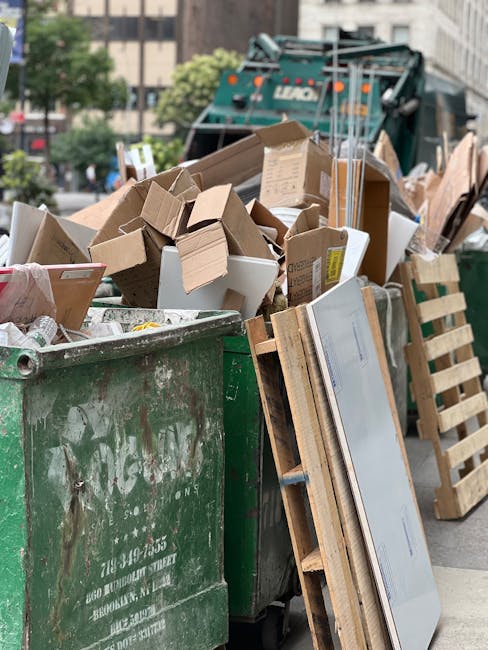
If you are moving at short notice, rubbish has a habit of becoming the biggest problem at the...
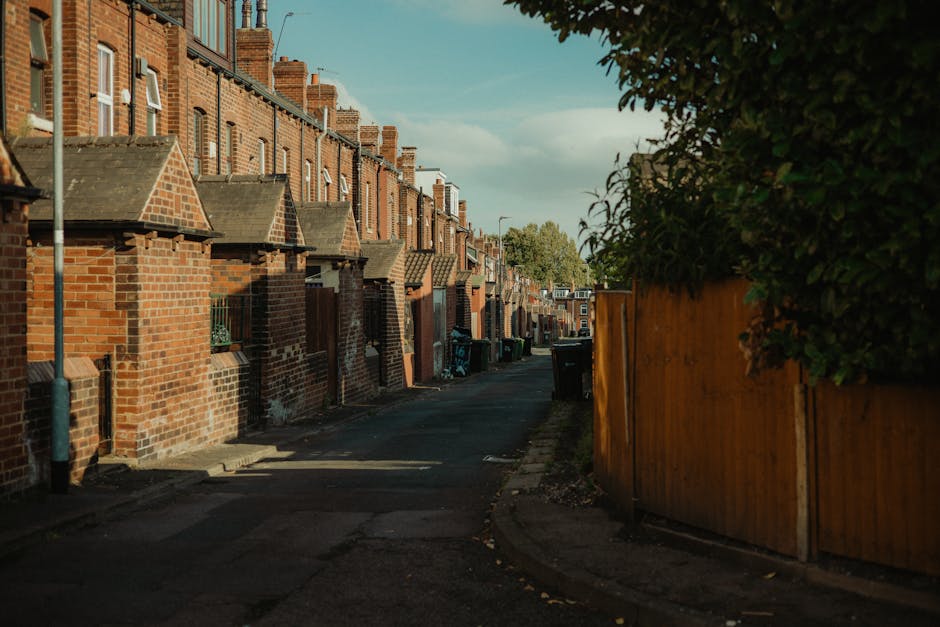
If you are planning a house clearance in Hackney, access can become the part that turns a...
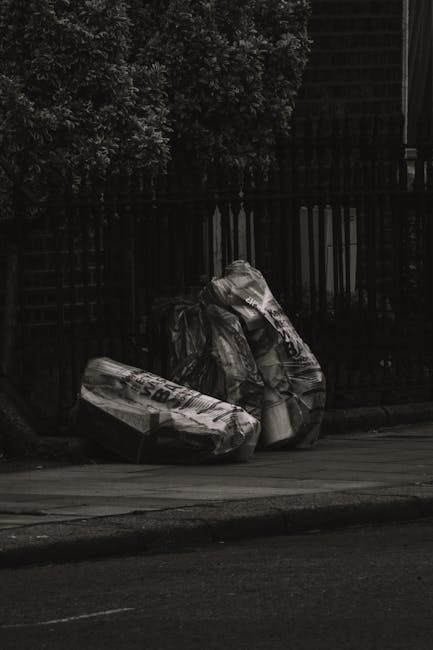
If you have ever compared rubbish removal quotes and felt that something was a bit off, you are...

If you need same day rubbish clearance Hackney Wick and London Fields, you probably need it for a...
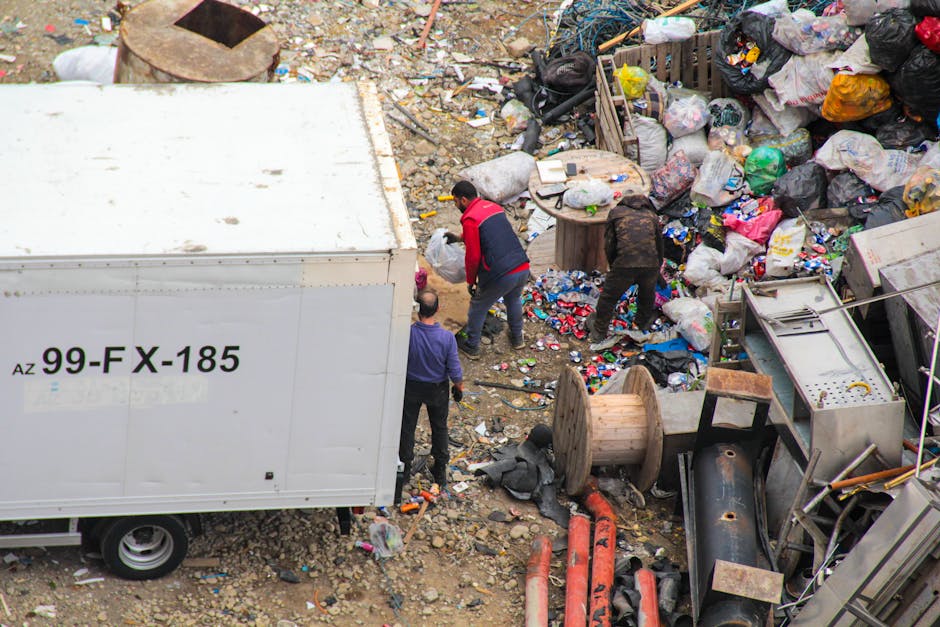
If you are searching for Cheap rubbish collection Stoke Newington N16, chances are you want the...

Broadway Market has its own rhythm. On a Saturday it's busy, bright, a bit chaotic in the nicest...

Selling property in Hackney, like in any area, involves a series of well-planned steps to ensure...

Hackney, located in East London, has become one of the most desirable places to live and invest...

Hackney, a vibrant and diverse region of East London, offers a unique blend of the old and the new.

Hackney, located in the vibrant and diverse East London, has transformed from a gritty industrial...

Hackney, a vibrant borough in East London, is known for its eclectic mix of art, culture, and...

 (82)
(82)