Avoid hidden charges in Hackney rubbish removal quotes
Posted on 25/06/2026
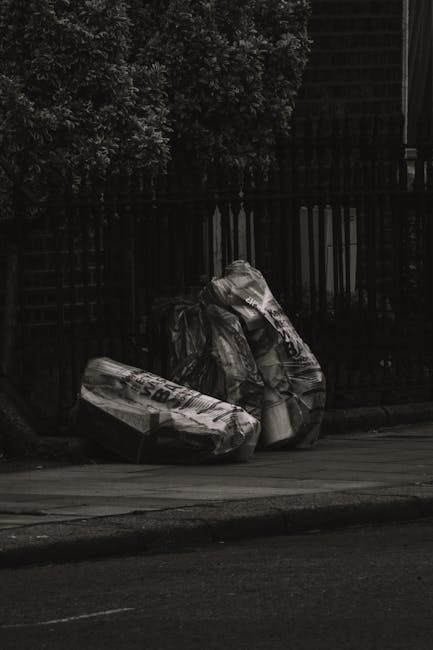
If you have ever compared rubbish removal quotes and felt that something was a bit off, you are not imagining it. A low headline price can look great at first, then suddenly the total climbs once the crew arrives, the waste is weighed, or a few "extras" are added. This guide explains how to avoid hidden charges in Hackney rubbish removal quotes, what to check before you book, and how to compare providers in a way that actually protects your budget.
For households, landlords, offices, and tradespeople in Hackney, the aim is simple: get the waste cleared without nasty surprises. That means understanding what should be included, which fees are fair, and which ones are a warning sign. We will also show you a practical checklist you can use before you accept any quote. To be fair, it is not glamorous work. But it can save you proper money.
Why Avoid hidden charges in Hackney rubbish removal quotes Matters
Hidden charges are not just an annoyance. They change the whole decision-making process. A quote that looks affordable can become expensive once access issues, extra labour, or special waste categories are added later. That is especially frustrating when you are already juggling a loft clear-out, a flat move, or a building job with a tight timeline.
In Hackney, many jobs happen in streets with limited parking, shared entrances, narrow stairwells, basement access, or busy loading bays. Those conditions can affect price, but they should be explained clearly before anyone starts. If they are not, you are left guessing. And guessing is rarely cheap.
There is another reason this matters: trust. A transparent quote is usually a sign that the operator has thought through the job properly. A vague one can mean the opposite. If you are comparing providers for waste clearance services, the quote should help you understand the work, not confuse you.
People often assume the cheapest quote is the best deal. Sometimes it is. Often it is not. The real value comes from knowing what you are paying for, what might change, and what will stay fixed. That is the bit that saves stress later, especially when the van is outside and you are being asked to make a quick decision on the pavement. Not ideal, really.
How Avoid hidden charges in Hackney rubbish removal quotes Works
A good rubbish removal quote should follow a simple logic: the company estimates the job based on the waste type, volume, labour needed, access, and disposal costs. If those details are clear, the quote can be accurate. If the details are missing, the quote can be too low on purpose or simply incomplete.
Most reputable providers will ask a few standard questions. What kind of waste is it? How much is there? Is it bagged, boxed, loose, or bulky? Are there stairs? Is the waste on the ground floor or in a loft? Will they need to dismantle furniture? These questions are not nosy. They are the difference between a sensible price and a moving target.
You may also see different pricing models. Some companies charge by load size. Others charge by item, by weight, or by time on site. None of these is automatically bad. The key is clarity. If the price depends on a certain amount of volume, ask what happens if the load is slightly bigger. If the quote includes labour, ask how many people and how long they expect to be on site.
Where hidden charges often creep in is the small print. Common examples include congestion or parking costs, extra fees for heavy lifting, weekend surcharges, mattress or appliance fees, minimum-load rules, and additional disposal charges for certain waste streams. A clear company will bring these up early. A weak one waits until you are halfway through the booking.
If you want a sense of how pricing should be presented in a more transparent way, take a look at pricing and quotes guidance. It helps to compare the structure of a quote, not just the final number.
Key Benefits and Practical Advantages
The main benefit is obvious: you know what you will pay before work starts. But the knock-on advantages are just as useful.
- Less stress on the day because there is no awkward price discussion at the kerb.
- Better comparison between providers, since you can compare like with like.
- Fewer delays because the operator has already accounted for the job properly.
- More accurate budgeting for landlords, property sellers, offices, and trades.
- Lower risk of disputes after collection.
- Improved trust in the company you choose.
There is a practical side too. When you know the pricing model, you can decide whether to sort, flatten, or separate the waste in advance. That can reduce the load size and, in some cases, reduce the bill. A few extra minutes of prep can make a noticeable difference. Simple, but effective.
For businesses, quote transparency also helps with internal approvals. A facilities manager or office manager can sign off faster if the scope is clear. For households, it means fewer surprises during a house clearance, garden clear-up, or appliance removal. For builders, it means less friction after a long day on site. Nobody wants a last-minute argument about rubble and plasterboard, honestly.
Who This Is For and When It Makes Sense
This approach makes sense for almost anyone arranging waste collection in Hackney, but some people benefit more than others.
- Homeowners and tenants clearing bulky items, loft clutter, or end-of-tenancy waste.
- Landlords and letting agents who need predictable costs between tenancies.
- Home movers and sellers preparing a property for sale or viewings.
- Tradespeople needing a clear price for builders waste or renovation debris.
- Offices and small businesses disposing of furniture, packaging, and old equipment.
- People with bulky items such as wardrobes, sofas, fridges, or mixed waste.
If your job is straightforward, you may only need a simple volume-based quote. But if access is tricky, waste is mixed, or timing is tight, the chance of hidden extras goes up. That is when a proper pre-booking conversation matters most.
A quick example: a two-bedroom flat in Hackney Wick with a sofa, bed frame, and a pile of bagged rubbish sounds simple enough. But if the lift is out of order, parking is difficult, and the sofa has to come down three flights of stairs, the quote should reflect that. Not because anyone is being difficult, but because the work genuinely changes.
Step-by-Step Guidance
Here is a practical process you can use before agreeing to any rubbish removal quote.
- List everything to be removed. Include bulky pieces, bags, white goods, wood, garden waste, and anything that might need special handling.
- Take clear photos. A few wide shots and close-ups help the provider judge volume and access more accurately.
- Describe the access honestly. Mention stairs, lifts, parking restrictions, narrow hallways, or rear access.
- Ask what the quote includes. Labour, loading, disposal, VAT if applicable, and any minimum charges should all be clear.
- Ask about extras up front. Parking fees, heavy-item handling, appliance disposal, and out-of-hours charges are the usual suspects.
- Check whether the price is fixed or estimated. A fixed price is easier to manage. An estimate should come with clear conditions.
- Confirm the waste type. General rubbish, furniture, soil, green waste, and builders waste can be priced differently.
- Get the final total in writing. Even a short email or message is better than relying on memory.
One small habit makes life easier: ask, "What could change the price on arrival?" That question alone can surface the stuff people often forget to mention. It is a bit like asking a builder whether the wall is truly straight. Useful, if slightly depressing sometimes.
If your job is a full property clear-out, it can help to review related pages like house clearance in Hackney or loft clearance support so you understand the scope before requesting a quote. That extra context usually leads to better pricing.
Expert Tips for Better Results
In our experience, the best quotes come from the best information. You do not need to over-explain every tiny detail, but the basics should be solid. A few tips really help.
- Be specific about waste type. "Mixed household rubbish" is less useful than "four black bags, one mattress, one dismantled wardrobe, and two small shelves."
- Mention heavy or awkward items. Fridges, American-style freezers, and solid-wood furniture can change the labour involved.
- Tell them if items are downstairs or upstairs. A ground-floor garden pile is not the same as a top-floor flat.
- Ask for photo-based quotes when possible. They are often more accurate than a quick phone guess.
- Check timing carefully. Same-day collections can be convenient, but rush jobs sometimes come with different price structures.
- Compare service, not just price. The cheapest option is not always the cleanest, safest, or most reliable.
Another good habit is to separate waste streams before the crew arrives. Keep furniture apart from general rubbish, and if you have garden waste, white goods, or builders debris, flag them individually. It gives the operator a clearer picture and can stop unnecessary "mixed waste" charges.
If you are dealing with a trade or renovation job, it may be worth checking a specialist page such as builders waste disposal in Hackney. Builder's waste is one of those areas where vague quotes can snowball fast.

Common Mistakes to Avoid
Most hidden charges are avoidable if you sidestep a few familiar mistakes.
- Accepting a quote without asking what is excluded. This is probably the biggest one.
- Not mentioning stairs, parking, or restricted access. These details matter more than people think.
- Assuming all waste is treated the same. It is not. Different waste types can carry different disposal costs.
- Ignoring minimum charges. A small load can still have a base fee.
- Forgetting about VAT or admin fees. Always check whether the price is inclusive.
- Choosing the cheapest quote without reading the conditions. A low headline price can hide a lot.
- Leaving everything until the crew is outside. That is when misunderstandings get expensive.
A smaller but common issue is failing to ask whether the quote covers loading from inside the property. Some firms price for kerbside collection only, which is fine if that is what you want. But if they are expected to remove items from a third-floor flat, that is a different job altogether.
It sounds obvious, but people do get caught out. Especially when they are busy, tired, or trying to finish a property clean-up before the weekend. Happens all the time.
Tools, Resources and Recommendations
You do not need special software to avoid hidden charges. A phone, a few photos, and a written checklist are usually enough. Still, a few practical resources make the process smoother.
- Photo folder on your phone for clear images of the waste and access route.
- Simple item list with quantity, size, and any awkward pieces.
- Message history or email so you can keep the quote in writing.
- Quote comparison note with columns for price, inclusions, exclusions, timing, and notes.
- Property or site access details if parking permits, loading restrictions, or concierge arrangements apply.
If you want to understand how the company approaches trust and customer care, pages like about the team, waste carrier licence and compliance, and insurance and safety are worth a look. They do not replace a quote, but they do help you judge whether a provider looks organised and responsible.
For everyday household collections, this is also a good time to review domestic waste collection in Hackney or rubbish collection in Hackney if your needs are broader than a single item removal. That can help you ask smarter questions before booking.
Law, Compliance, Standards, or Best Practice
When rubbish is being collected and removed, the operator should be working within normal UK waste-handling expectations. You do not need to be a legal expert to protect yourself, but a little awareness goes a long way.
At a practical level, ask whether the company is properly registered to carry waste and whether they can explain where it goes. Responsible operators should also be able to describe their insurance and basic safety procedures in plain English. If those details are hard to get, that is a warning sign.
Best practice also means clear pricing terms. A serious provider will usually explain whether there are minimum charges, what counts as additional labour, how they treat bulky items, and whether the quote is fixed or estimate-based. If terms and conditions are available, read the sections on pricing, cancellations, and service scope before confirming a booking.
For businesses, compliance matters even more. Office clearances, commercial waste, and mixed loads may involve more documentation, and the provider should be able to explain that without jargon. If you are arranging a workplace clear-out, the page on commercial waste removal in Hackney is a useful starting point. For office-specific work, office clearance in Hackney may be more relevant.
One thing worth saying clearly: if a quote seems unusually low and the company is vague about compliance, safety, or disposal, do not rush. A bargain is not a bargain if the price changes later or the service is shaky. Plain and simple.
Options, Methods, or Comparison Table
Different quoting methods suit different jobs. The right choice depends on how predictable your waste load is and how much detail you can provide up front.
| Quote method | Best for | Pros | Watch out for |
|---|---|---|---|
| Photo-based fixed quote | Household clear-outs, bulky items, mixed rubbish | Clear, easy to compare, fewer surprises | Needs accurate photos and honest access details |
| Volume-based quote | General rubbish, furniture, light mixed waste | Quick and familiar | Can change if the load size is estimated badly |
| Item-based quote | Appliances, sofas, single pieces, white goods | Simple for one-off collections | May not suit mixed or awkward jobs |
| Hourly or labour-based quote | Large clearances, tricky access, ongoing jobs | Flexible when scope is uncertain | Costs can rise if the job takes longer than expected |
For many Hackney customers, photo-based quoting is the most practical balance. You can show the exact pile, the access route, and any awkward furniture without needing a long phone call. If a provider still refuses to give a straight answer after seeing photos, that tells you something.
For a bit of local context, people often arranging removals after a move-out or renovation will also be dealing with property timelines. If that sounds familiar, related reading such as steps to sell property in Hackney or Hackney real estate investment guidance can help you see where clearance fits into the wider plan.
Case Study or Real-World Example
Here is a simple real-world style example. A resident in Hackney Downs needs a cleared living room after replacing a sofa, coffee table, and two shelving units. There are also six bags of mixed household rubbish and an old small freezer in the kitchen. The flat is on the second floor, with no lift and limited parking outside.
If the quote is given only from a quick phone call saying "one sofa and some rubbish," it will probably be too vague. But if the resident sends photos, lists the items, explains the stairs, and confirms that parking is tight, the quote becomes much more reliable. The provider can then price the job properly, including labour and disposal.
On the day, the crew may discover that the shelving units need to be dismantled before removal. If that was discussed in advance, it is usually already reflected in the quote. If it was not, that is where disagreements begin. And nobody enjoys a pricing conversation while standing in a hallway with a drill still humming in the background.
The takeaway is not that every change is malicious. Far from it. Jobs can genuinely change when crews arrive. The point is that a transparent quote should explain how those changes are handled. That is the difference between a professional service and a guessing game.
Practical Checklist
Use this checklist before you agree to any rubbish removal quote in Hackney.
- Have I listed every item to be removed?
- Have I sent photos of the waste and access route?
- Have I mentioned stairs, lifts, parking, or rear access?
- Do I know whether the quote is fixed or estimated?
- Have I asked what is included in the price?
- Have I asked about extra fees, such as heavy lifting or parking?
- Do I know whether VAT is included?
- Have I checked whether the provider can handle my waste type?
- Have I read the terms and conditions or pricing notes?
- Do I have the final price confirmed in writing?
If you can answer yes to most of those, you are in a much stronger position. Not perfect, maybe, but much stronger. It is the difference between booking with confidence and hoping for the best, which is not much of a strategy.
Conclusion
Hidden charges are usually avoidable when you slow down just enough to ask the right questions. Clear photos, honest access details, a written quote, and a quick check on exclusions will catch most problems before they happen. That is the real secret to avoiding hidden charges in Hackney rubbish removal quotes: clarity early on.
Whether you are clearing a flat, getting rid of old furniture, dealing with builders waste, or sorting out a business move, the best quote is not always the cheapest one. It is the one that tells you exactly what will happen, what is included, and what might cost extra. Once you have that, the whole job feels lighter. Less hassle, less second-guessing, and a lot less chance of an awkward surprise when the van turns up.
For related support, you can also explore our pages on waste disposal in Hackney, furniture disposal, and white goods and appliance disposal to match the right service to the job.
Get a free quote today and see how much you can save.



 Tipper Van - Rubbish Removal and Waste Clearance Prices in Hackney, E5
 Luton Van - Rubbish Removal and Waste Clearance Prices in Hackney, E5