Rubbish removal in Broadway Market Hackney
Posted on 29/05/2026

Rubbish removal in Broadway Market Hackney: a practical local guide
Broadway Market has its own rhythm. On a Saturday it's busy, bright, a bit chaotic in the nicest possible way; by Sunday evening, the pavements can tell a different story. Cardboard from deliveries, bags from a flat clear-out, broken chairs, garden cuttings, builder's rubble after a refurb - it all adds up. If you're looking into rubbish removal in Broadway Market Hackney, you probably want one thing above all: a simple, reliable way to get space back without turning your week upside down.
This guide walks through how rubbish removal actually works in the area, what to expect, which service type fits different jobs, and how to avoid the usual headaches. Whether you're clearing a flat above a shop, managing a small business, or dealing with a bigger household tidy-up, the goal is the same: get it done properly, quickly, and with as little stress as possible.
To make the process easier, this article also connects the practical side of clearance with a few useful local resources, including a simple overview of waste services, pricing and quote information, and waste carrier licence and compliance guidance. That way, you can make a better decision, not just a quicker one.
Why Rubbish removal in Broadway Market Hackney Matters
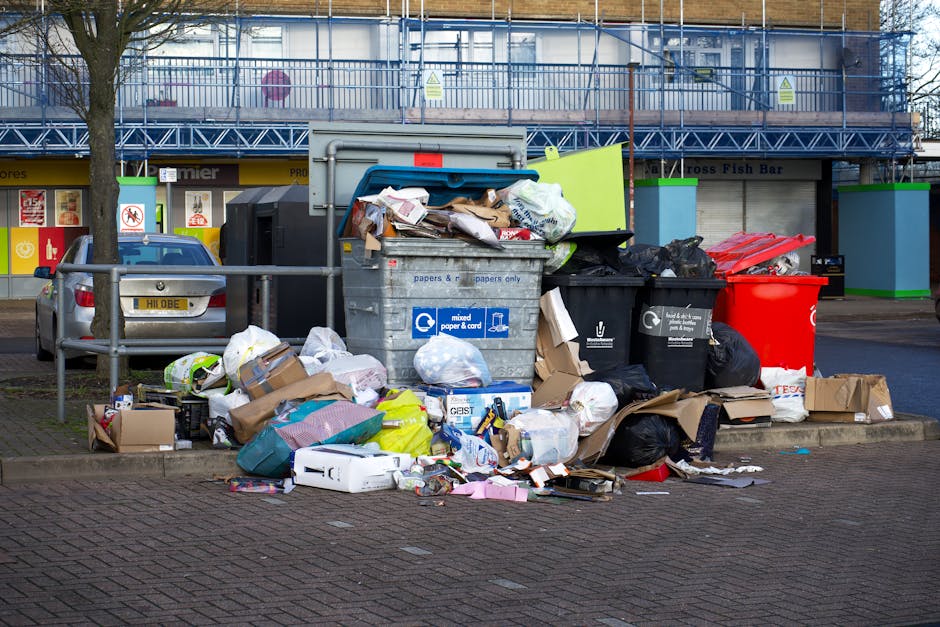
Broadway Market sits in a part of Hackney where homes, cafes, independent shops, studios, and workspaces sit very close together. That makes waste feel more visible. One abandoned mattress or a half-dismantled wardrobe outside a building can quickly become everyone's problem. And in a street that depends on looking and feeling welcoming, clutter does not stay hidden for long.
There's also the practical side. Rubbish that blocks shared hallways, service entrances, pavement access, or rear lanes can create friction with neighbours, landlords, customers, and delivery drivers. If you run a business here, even a small pile of waste can make a place look neglected. If you live nearby, it can simply get in the way of daily life. Nobody wants to be stepping around old furniture on a wet Hackney morning. Not ideal, obviously.
Good waste removal is about more than tidiness. It protects access, helps properties stay presentable, and reduces the chance of waste being dumped in the wrong place because it was left too long. In busy local areas, that delay can be the difference between a straightforward collection and a much messier situation.
It also matters for sustainability. When rubbish is separated carefully, more of it can be reused, recycled, or sent to the right stream. That is one reason many people choose a professional service instead of trying to move everything themselves in a borrowed car or a sequence of increasingly awkward bin bags.
How Rubbish removal in Broadway Market Hackney Works
The process is usually simpler than people expect. In broad terms, a rubbish removal service is arranged, the waste is assessed, the items are collected, and the load is taken away for sorting, recycling, or disposal. The exact details depend on what you have, where it is stored, and how much there is.
For a flat clear-out, the job might involve carrying items down narrow stairs, which is exactly the sort of thing that feels easy until you're halfway through and realise the old sofa is heavier than it looked. For a shop or office, the challenge might be access, loading time, or timing the collection so it doesn't disrupt customers. For builders' waste, it's more about volume, weight, and making sure rubble, timber, plasterboard, and mixed debris are handled properly.
Many local jobs follow a pattern like this:
- You describe the waste, ideally with photos.
- You receive a quote or estimate based on volume, access, and item type.
- A collection time is agreed.
- The crew arrives, removes the rubbish, and clears the area as agreed.
- The waste is transported for sorting, reuse, recycling, or disposal.
If you're comparing service types, it can help to look at rubbish collection in Hackney alongside broader waste disposal options. That gives you a clearer sense of whether you need a single collection, a one-off clearance, or something more regular.
Good providers also make the process feel calm. That sounds minor, but it matters. A tidy handover, clear communication, and no vague promises - those things save time and nerves.
Key Benefits and Practical Advantages
The obvious benefit is that you get your space back. But there's a bit more to it than that.
- Speed: You can clear a lot in one visit rather than stretching the job over several trips.
- Convenience: Heavy lifting, loading, and transport are handled for you.
- Better presentation: Useful for landlords, sellers, shop owners, and anyone preparing a property.
- Safety: Fewer trip hazards, fewer sharp edges, and less clutter in shared spaces.
- Compliance confidence: A proper waste carrier should know how to move waste responsibly.
- Environmental care: More materials can be separated for recycling where possible.
There is also a slightly underrated benefit: momentum. Once the waste is gone, everything else feels easier. You notice the room properly again. You can measure the space. You can actually imagine what it will become next. In a small Hackney flat, that's no small thing.
For homeowners, that might mean finally tackling the loft or spare room. For businesses, it may mean a back-of-house area that can function properly again. And for people moving home or selling property, clearance can make the whole place feel more saleable. If that's your situation, the article on steps to sell property in Hackney can be a helpful companion read.
Who This Is For and When It Makes Sense
Rubbish removal in Broadway Market Hackney makes sense for a wide range of people, but the trigger is often one of a few familiar moments:
- You've finished a clear-out and the leftover piles are too much for normal bins.
- Furniture, appliances, or broken items are taking up valuable floor space.
- You are renovating and need builders' waste gone quickly.
- You run a shop, cafe, or office and need commercial waste removed without disruption.
- You're preparing a tenancy change, sale, or refurbishment.
- You've inherited a property or dealt with a house clearance situation that became bigger than expected.
In our experience, the most common mistake is waiting too long. A few bags become a hallway issue. A hallway issue becomes a storage issue. And then suddenly you are arranging a collection in a hurry because you need the room back by Friday. Sound familiar?
This is especially true for mixed-use streets and older buildings, where storage is limited and access can be awkward. If you need a broader service rather than a single-item pickup, pages such as waste clearance in Hackney and house clearance in Hackney can help you identify the right fit.
Different jobs call for different approaches. There isn't one "best" method for every situation - and to be fair, that's exactly why a good provider will ask questions before quoting.
Step-by-Step Guidance
If you want the process to go smoothly, it helps to think of rubbish removal as a small project rather than a last-minute errand. Here's a simple way to handle it.
1. Sort the waste into sensible groups
Separate general rubbish, furniture, electrical items, garden waste, and building debris if you can. You do not need to make it perfect. Just make it clearer. A bit of rough sorting now can save time later.
2. Identify anything sensitive or restricted
Some items may need special handling, especially electricals, fridges, or awkward materials from building work. If you're unsure, mention them when you request a quote. It's much better than springing a surprise pile of broken appliances on collection day.
3. Take clear photos
Photos from a few angles help the provider understand volume and access. Include stairways, gates, basements, or rear entry points if relevant. Broadway Market properties can be quirky; a picture really is worth a small explanation.
4. Ask about access and timing
Do you need a morning slot before customers arrive? Do neighbours need warning? Can a vehicle stop nearby? These details change the shape of the job. A provider can only plan properly if they know the practical realities.
5. Confirm what's included
Check whether loading, labour, sweeping, and disposal are included. Also ask whether the quote is based on volume, item count, or a specific type of clearance. Clarity now prevents awkwardness later.
6. Prepare the area before arrival
Move smaller personal items out of the way if needed, unlock gates, and make sure paths are clear. You do not need to do the heavy lifting. Just make the route sensible.
7. Review the finished space
Once the waste is removed, have a quick look around. Check corners, behind furniture, under shelves, and any place that might hide smaller debris. A quick final check saves a second phone call later.
Expert Tips for Better Results
A few small decisions can make a surprisingly big difference.
- Be honest about volume: Underestimating waste is the quickest way to get frustrated. If in doubt, overdescribe rather than underdescribe.
- Flag difficult access early: Tight stairs, no lift, double parking issues, or rear access through shared areas all matter.
- Keep mixed waste separate where possible: If builders' waste is mixed with household junk, sorting can become slower and costlier.
- Ask about recycling: A responsible provider should be able to explain what happens next in plain English.
- Plan around busy local times: Broadway Market can be busy on certain days, so timing can make the job smoother for everyone.
Another useful tip: if you are clearing out a property, do a quick "keep / donate / remove" decision first. That simple structure prevents useful items from being thrown out by accident. Happens all the time, honestly.
If your waste includes furniture, specialist handling may save effort. A dedicated furniture removal service in Hackney is often the most sensible route for sofas, wardrobes, tables, and bulky items. For broken or unwanted household pieces, furniture disposal in Hackney is another practical option.
And if your clearance has a greener angle, it's worth understanding local reuse and sorting practices. The page on recycling and sustainability gives a useful overview.
Common Mistakes to Avoid
Most rubbish removal problems are preventable. The tricky part is that they usually seem minor right up until collection day.
- Booking without checking access: A van cannot magic itself into a blocked lane.
- Giving vague descriptions: "A bit of rubbish" is not enough when there's a mattress, two desks, and a pile of rubble involved.
- Leaving it too late: Especially if you need waste gone before a tenancy handover, inspection, event, or refurb.
- Choosing only on price: Cheapest is not always best if service, compliance, or reliability is missing.
- Mixing prohibited or awkward items without asking: This can delay the job or change what is needed.
- Assuming "taken away" means "responsibly handled": That should never be guessed. Ask.
There is a subtle one too: forgetting about the end result. If the waste is meant to free up a room, make sure the clearance leaves the room usable, not just "less full." That sounds obvious. People still miss it.
Tools, Resources and Recommendations
You do not need specialist equipment for a normal collection, but a few simple tools and habits help.
- Phone photos: The easiest way to get an accurate quote.
- Masking tape or labels: Useful if you are marking items to keep or remove.
- Basic gloves and a torch: Handy for lofts, cupboards, and awkward storage areas.
- Bin bags or boxes: Good for loose waste before collection day.
- A quick notes list: Write down any large items, access restrictions, or time sensitivities.
If you are comparing providers or trying to understand the service mix, these pages can help you narrow things down:
- commercial waste removal in Hackney for shops, cafes, and offices
- builders' waste disposal in Hackney for renovation and construction debris
- white goods and appliance disposal for fridges, washing machines, and similar items
- garden waste removal in Hackney for branches, clippings, and green waste
- loft clearance in Hackney for long-stored household items
- office clearance in Hackney for desks, chairs, files, and general business waste
It can also be worth reading a little about the company itself before booking. A page like about us gives you a better feel for whether they sound like a real local operation or just a glossy front end. Small thing, but it matters.
Law, Compliance, Standards and Best Practice
Waste removal is not just about lifting items into a van. In the UK, reputable operators are expected to follow waste handling best practice, maintain appropriate documentation where needed, and transport waste responsibly. You don't need to become an expert yourself, but you should expect clear answers to simple questions.
A sensible provider should be able to explain their waste carrier status, how they handle disposal routes, and what happens to recyclable materials. If that sounds vague when you ask, treat it as a warning sign. Trust your instincts there.
For customers, the most important practical rule is straightforward: never hand waste to someone who cannot show proper professionalism. If waste is fly-tipped later, the mess can come back to you in ways you absolutely do not want. A little caution now is much easier than dealing with the aftermath.
Best practice also includes insurance awareness, safe lifting, and respect for property. If you are arranging a clear-out in a busy building, this matters even more. The page on insurance and safety is worth a look if you want a feel for the standards a reliable provider should take seriously.
Finally, terms, payment, and privacy should be clear before the job begins. That is basic professionalism, not an optional extra. If needed, review terms and conditions, payment and security, and privacy policy pages so you know what to expect.

Options, Methods, and Comparison Table
Different waste situations call for different methods. Choosing the right one saves time, money, and a fair bit of hassle.
| Method | Best for | Typical strengths | Possible drawbacks |
|---|---|---|---|
| One-off rubbish collection | Small to medium household or mixed waste jobs | Fast, convenient, simple to arrange | May not suit very large or staged clearances |
| Full waste clearance | Properties, offices, shop spaces, or larger tidy-ups | Covers more volume and labour, usually more complete | Needs better planning and access details |
| Specialist furniture removal | Sofas, wardrobes, tables, bed frames | Better for bulky items and awkward carrying | Not ideal if the job includes many other waste types |
| Builders' waste disposal | Renovation and construction debris | Suitable for heavier, messier material streams | Can require clearer separation of waste types |
| House or office clearance | Moves, inheritance clear-outs, end-of-tenancy work | Efficient for whole-space jobs | Needs more time, more access, and more coordination |
If your situation is straightforward, a simple collection may be enough. If you are dealing with multiple rooms, bulky furniture, and a deadline, a fuller clearance service usually makes more sense. The right choice is rarely the flashiest one - just the one that fits the mess in front of you.
Case Study or Real-World Example
Imagine a top-floor flat near Broadway Market after a long-overdue declutter. There's an old sofa, two flat-pack wardrobes that never really survived moving day, a couple of bags of mixed household waste, and some small electrical items. The hallway is narrow, the stairs are awkward, and the resident needs everything gone before a new tenant moves in.
In that situation, the most efficient route is usually to group the items in one place, take a few photos, and arrange a tailored clearance rather than trying to move everything piece by piece. The collection team can assess the load, plan the carry route, and remove everything in one visit. The resident gets the flat back quickly, and the landlord avoids the stress of a delayed handover.
Now picture a different scenario: a cafe near the market is replacing shelving, binning damaged stock, and clearing back-room clutter before a busy weekend. There's no time for repeated trips to a disposal site, and the waste needs to leave without disrupting service. Here, a commercial collection is the better answer because it keeps the business moving while the mess disappears in a single sweep. Clean counters, clearer storeroom, less stress. Simple, really.
That kind of practical fit is what good rubbish removal is all about. Not drama. Just the right method for the real situation.
Practical Checklist
Use this quick checklist before you book:
- Have I identified all the items I want removed?
- Do I know whether the waste includes furniture, appliances, or builders' debris?
- Have I taken clear photos from more than one angle?
- Have I checked access, parking, stairs, or lift limitations?
- Do I need the collection at a specific time of day?
- Have I asked what is included in the quote?
- Have I confirmed how the waste will be handled after collection?
- Do I know whether I need a simple collection or a fuller clearance?
- Have I reviewed the provider's service pages and trust information?
- Is the space ready for the crew to work safely and efficiently?
Expert summary: The best rubbish removal job is the one that feels almost boring by the end - clear quote, easy access, no surprises, and a clean space left behind. That's the standard to aim for.
Conclusion
Rubbish removal in Broadway Market Hackney is really about restoring flow. In a busy, lived-in part of Hackney, waste can build up faster than you expect, and the difference between a tidy space and a stressful one is often just a single well-planned collection. Whether you are clearing a home, a shop, an office, or a building project, the best results come from clear communication, honest assessment, and a service that understands local access realities.
Start with the type of waste, think about access, and choose a method that matches the job rather than forcing the job to fit the method. That one habit will save you time, money, and a fair amount of irritation. And once the clutter is gone, the space usually feels bigger, calmer, and much easier to deal with. Which, let's face it, is exactly what most of us want.
Get a free quote today and see how much you can save.
If you're still deciding, take a moment to review the service details, compare your options, and choose the route that feels most practical for your property. A little care at the start makes the whole process feel lighter. Sometimes that's all it takes.


 Tipper Van - Rubbish Removal and Waste Clearance Prices in Hackney, E5
 Luton Van - Rubbish Removal and Waste Clearance Prices in Hackney, E5